Gut Bad Sülze
Christian Rohlfing
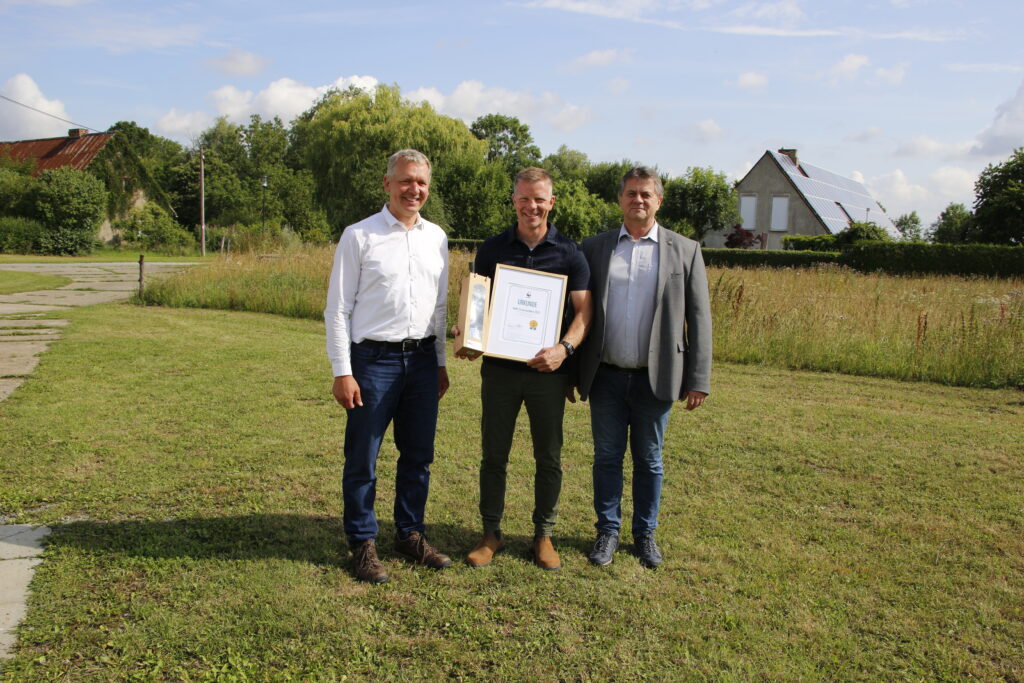
Nestled between Rostock and Greifswald in Germany, Christian Rohlfing is proving that large-scale agriculture can work in harmony with nature. The 1,950-hectare Gut Bad Sülze estate combines generations of farming tradition with forward-thinking practices to protect land, water and climate. Managed by Christian Rohlfing and his family, the estate has become a model for sustainable farming in the Baltic Sea region, earning Christian the title of WWF Baltic Sea Farmer of the Year 2025.
A Family Legacy with a Forward-Thinking Twist
Farming runs deep in the Rohlfing family, with roots stretching back at least seven generations. In 1995, Christian and his wife moved to Western Pomerania and took over a small farm. “I always knew I wanted to continue my parents’ work,” he says. “Farming is the most beautiful profession on earth.” Over time, the farm grew – and in 2015, they took a bold step by acquiring the Bad Sülze estate. Today, they manage two distinct operations: an organic grassland farm and a conventional arable farm – each tailored to the unique needs of the land.
Closing the Loop on Nutrients
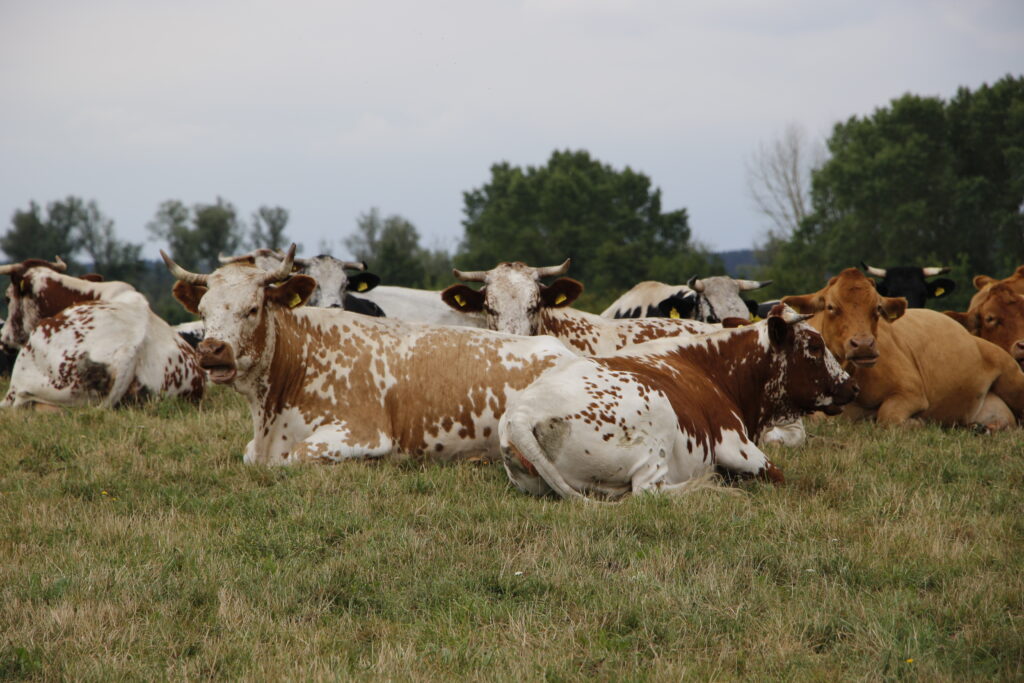
Gut Bad Sülze is guided by a strong commitment to circular nutrient management. Cattle are fed exclusively with homegrown feed, and arable land is fertilized using the farm’s own solid manure and compost. This approach minimizes nutrient loss and protects nearby water bodies from runoff.
Precision farming tools – like satellite imagery and yield maps – help fine-tune nutrient inputs, while a diverse crop rotation that includes over 70 hectares of peas further boosts soil fertility naturally.
Christian is deeply invested in soil health. The farm participates in carbon farming and humus-building initiatives, and composting is central to maintaining long-term fertility. “Soil is our capital,” he says. “We have to protect it if we want to farm into the future.”
The farm also manages 800 hectares of wet fenland grassland, a rare and valuable ecosystem. By carefully timing water levels and avoiding fertilization, the Rohlfing’s not only help to prevent CO₂ emissions and create habitats for native species, but the measure is also effective against the frequency dry periods in the area.